Student Exposure — Servin' DC CURE (YourDCTV)
Speaker 1:
From our studios in the store located in Northeast Washington, DC.
Speaker 2:
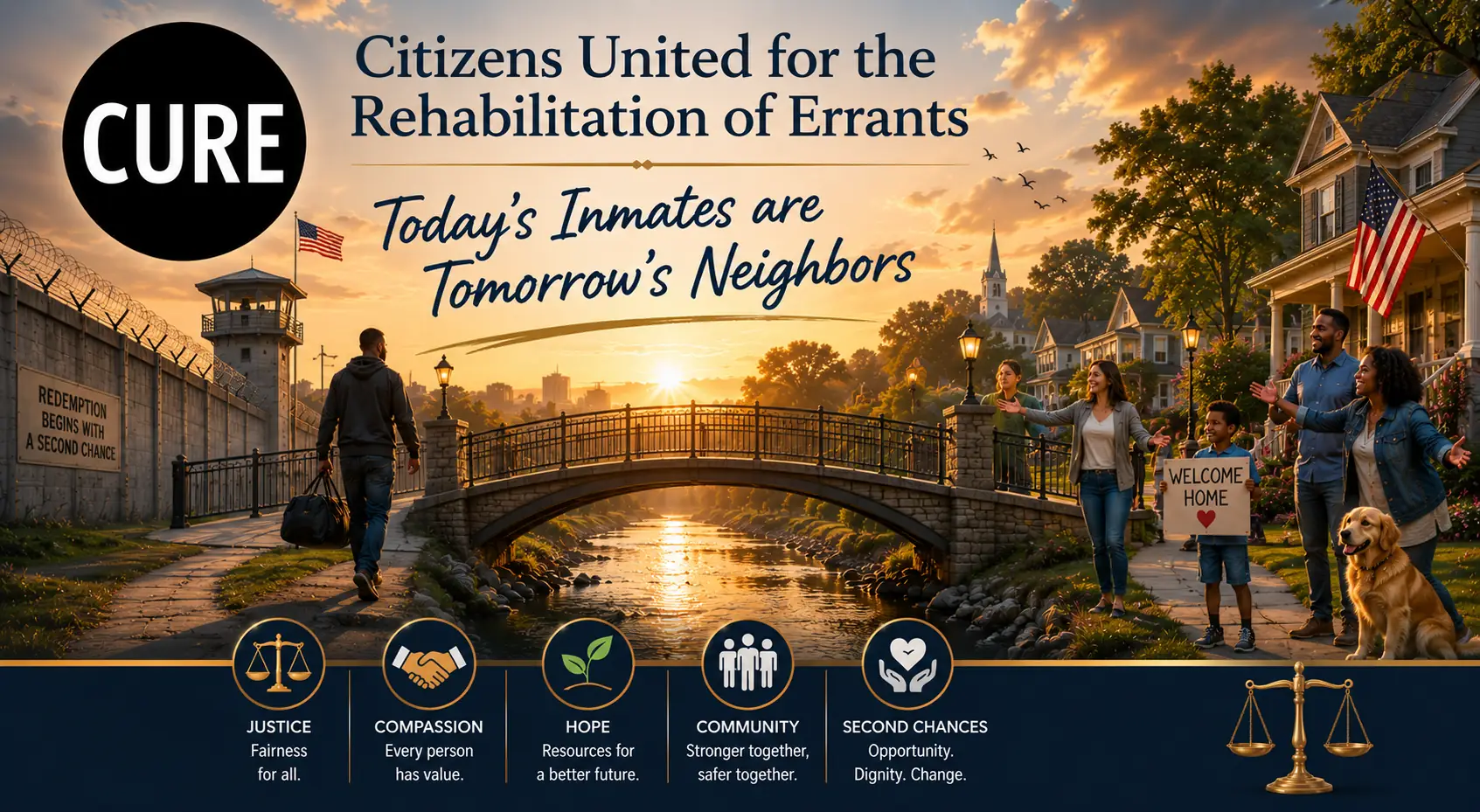
Yeah. Did you know that there's a non profit organization that advocates for prison reform and their success is due to volunteers. Let's find out more about CURE, also known as Citizens United for Rehabilitation of Errants.
Charlie Sullivan:
Citizens United for Rehabilitation of Errants—and basically it's people make mistakes, which we can all relate to—here started in 1972 in San Antonio, Texas, my wife and I started here. We felt then the need for bus services for families to the state prison. And so we did this for a few years and it was very successful. The prison system liked this when we ran the bus service. But when we began to question the policies—in particular, inmates being used as guards—they did not want to work with us anymore. And we ended up being successful in passing legislation to do away with inmates having this power over other inmates. We ended up expanding to a national organization and moving to Washington in 1985. In 1986, my wife was able to pass legislation to provide the WIC program for mothers who were pregnant in prison.
Charlie Sullivan:
And that was a very difficult issue back then because people did not want to acknowledge that there were people in prison who were having children. And she later was able to pass legislation that allowed mothers to serve their prison time with their small children. It's amazing—we do receive volunteers almost daily. Family members want to get involved, particularly when they have loved ones. People see through their churches that this is something that, as we know, Matthew 25 is the basis—that I was in prison and you visited me. But also there is another side to that. Not only do we visit prisoners, but we should also be advocating for their release. Certainly we believe that people of color are disproportionally incarcerated. We also believe that a lot of times it's because they don't have the resources that they need for defense, et cetera. In Texas, when we started, the prisoners used to say “you're guilty until proven rich,” and I think this is still true in our society. We're basically funded through memberships that people send to us—the prisoners feel that this is their organization and they support it. And instead of receiving cash, we'll receive stamps if the prison system allows that. So anyone who writes us will receive information, whether they are indigent or not.
Speaker 4:
In 1996, tragedy hit my family and it led me to go out and find meetings and support for my pain, and Maryland CURE was one of the chapters that I had gone to meetings with and liked the meetings. And with all that coming together, I decided to keep coming back. And at the end of the day, they asked me to be president. If I could add anything, it would be to expand and to get families involved. And so I would love to see a family networking with the inside out—we've come a long way. And Maryland CURE really looks at the positive. And so we're fortunate enough to be able to partner with bipartisan organizations that think like we think, and I'm happy as can be that there's a shift out here, with even our leaders understanding that people deserve a second chance.
Speaker 4:
So I'm happy about that part—no doubt in my mind. And now that we have statistics, we have everything we need to know that prisons have gone into big business—it's big business today. It's no longer a punishing tool, it's deep pockets. We are learning all of the things that we have brought to the table—how much it costs to incarcerate a person, how much they make—it's just modern day slavery. It's been a pleasure to be part of this program. We have many, many chapters throughout the United States, and hopefully we can combine our efforts and become one voice. And I'm hoping to see that when we speak of CURE, it'll be known worldwide.
Speaker 2:
And here in studio with me today is our DCTV student producer, Daniel Del Plago—welcome to Student Exposure, Daniel. So we were, as you saw in the package that talked about coming from Texas to DC, but I understand they also have an international presence.
Speaker 5:
Yeah, I mean, it's been from their very initial grassroots action to—they have a global presence now. There's the state-based organizations that CURE represents, but they also have an international arm. So they are in several countries around the world doing the good work that they started here in the United States.
Speaker 2:
Right. As a co-producer of this segment, what is the most significant contribution that you think they offer to the community?
Speaker 5:
What I saw specifically from the woman Leah Green, who's the president of Maryland CURE, was the sense of hope that she has. She has a lot to be down about if one thinks about it—he has a family member that's incarcerated. But CURE has given her hope that she can help him in his current situation, but also, as she mentioned, help other families that are in the same situation—give them an outlet to interact with other families in very similar situations and hopefully lighten their load.
Speaker 2:
Absolutely—another great organization working to help and aid the community and residents here in the district. Thank you, Daniel, thank you very much. Who would've thought that a trip to a county jail visiting a friend could inspire Charlie and his wife to create the CURE organization that exists today. For more information about Citizens United for Rehabilitation of Errants, visit their website at curenational.org.
End of video